About Commercial Reverse Osmosis System
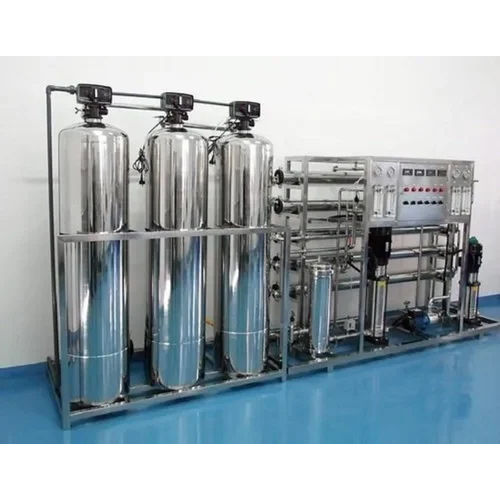
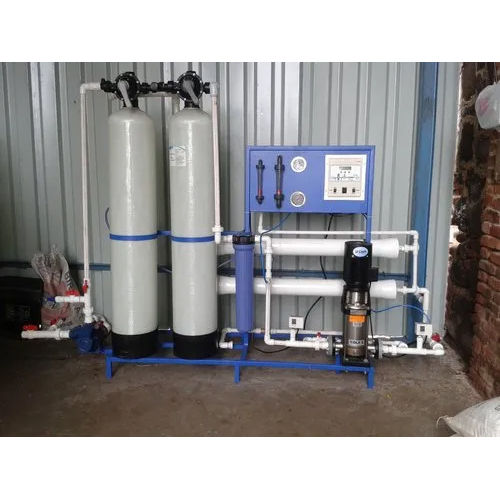
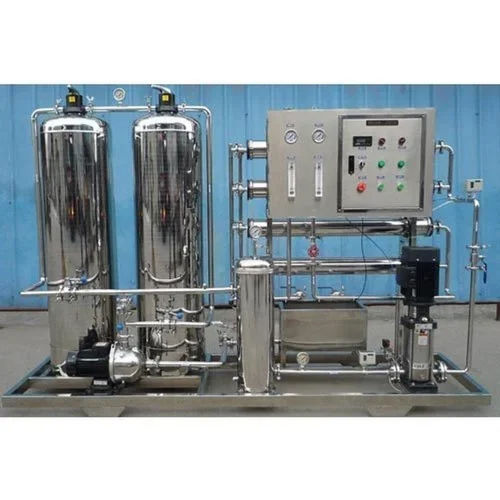
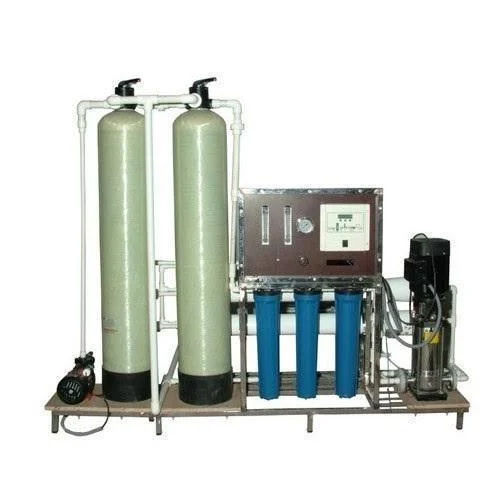
A Commercial Reverse Osmosis System is a water purification system that uses the reverse osmosis process to remove impurities and contaminants from water. The system is designed for commercial applications, such as restaurants, hotels, hospitals, and small businesses that require high-quality water for various purposes, including drinking, cooking, and other uses. It consists of several stages of treatment, including pre-treatment, high-pressure pumping, reverse osmosis membrane filtration, and post-treatment. One of the benefits of a Commercial Reverse Osmosis System is that it can produce high-quality water at a lower cost compared to other treatment methods. These are available in different sizes and capacities, depending on the water demand and the required quality of water.
Advanced Water Purification TechnologyThis system utilizes Reverse Osmosis with Thin Film Composite (TFC) membranes supported by pre- and post-filtration stages, ensuring high-quality purification. It is engineered to handle a wide range of feedwater qualities and deliver consistent output with minimal operator intervention. Its high-pressure reciprocating pump, along with adjustable reject water rates, provides optimal efficiency and water recovery.
Durable Construction and Flexible InstallationCrafted on a powder-coated, corrosion-resistant steel frame with stainless steel components, this cabinet-type, skid-mounted system is built to last. It is suitable for installation in commercial and institutional spaces, and can be tailored to match the specific storage and capacity requirements of your site. All components are integrated for ease of use and maintenance.
FAQ's of Commercial Reverse Osmosis System:
Q: How does the commercial RO system purify groundwater for use in various institutions?
A: The system utilizes multi-stage filtration that includes pre-filters, Thin Film Composite (TFC) membranes, and post-filtration. It removes dissolved solids and impurities from groundwater through reverse osmosis, delivering output water with a TDS as low as 50 ppm, meeting the needs of a range of commercial users.
Q: What is the process for adjusting the reject water percentage?
A: The system is designed with adjustable reject water control, allowing users to set rejection rates between 10-25%. This adjustment is managed via the control valve or the system panel to optimize water recovery depending on feed water quality and specific application requirements.
Q: When should the membranes or filters be replaced in this RO system?
A: Membrane and filter replacement frequency depends on the feed water quality and usage. Generally, pre-filters require change every 6-12 months, while TFC membranes may last 2-3 years. Regular monitoring through the pressure gauge and output water TDS is recommended to determine the ideal replacement schedule.
Q: Where can this commercial RO system be installed?
A: Its cabinet-type, skid-mounted design makes it suitable for indoor installation in locations such as hotels, schools, hospitals, factories, and other institutional or industrial facilities. Its compact footprint enables convenient placement even in limited spaces.
Q: What safety features are incorporated into the RO system?
A: The system offers built-in dry run protection and overload protection to safeguard the pump and essential components. These features help prevent operational damage during adverse conditions, improving system longevity and reliability.
Q: How does the automation grade benefit daily operation?
A: With options for semi-automatic and fully automatic operations, the system is easy to use and maintain. Automated valves, microprocessor or PLC control panels, and real-time parameter monitoring reduce manual intervention and help maintain consistent water quality with minimal effort.







 Send Inquiry


 Send Inquiry