About Industrial Reverse Osmosis Plant
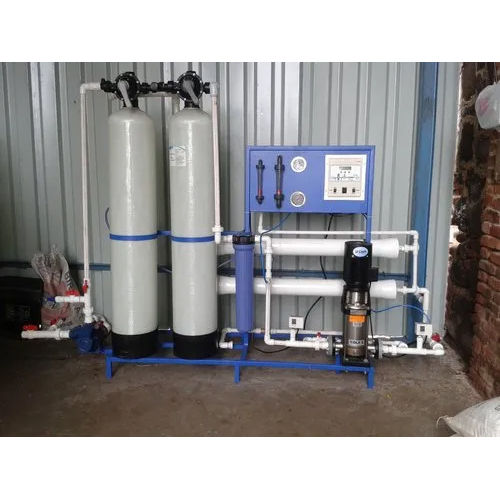
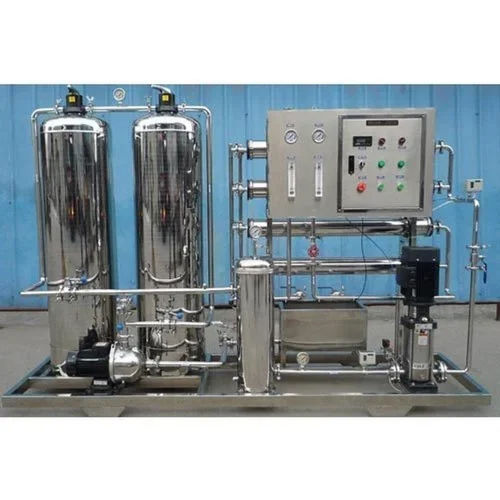
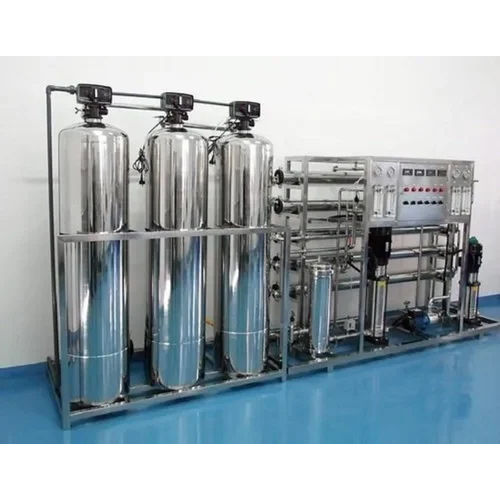
Industrial Reverse Osmosis Plant is a large-scale water treatment system that uses reverse osmosis to remove impurities and contaminants from water. The system is designed for industrial applications, including manufacturing, power generation, and oil and gas operations, where high-quality water is required for various purposes. This typically consists of several stages of treatment, including pre-treatment, high-pressure pumping, reverse osmosis membrane filtration, and post-treatment. They are available in different sizes and capacities, depending on the water demand and the required quality of water. Industrial Reverse Osmosis Plant is designed to operate continuously and automatically, with advanced monitoring and control systems to ensure the water quality meets the required standards.
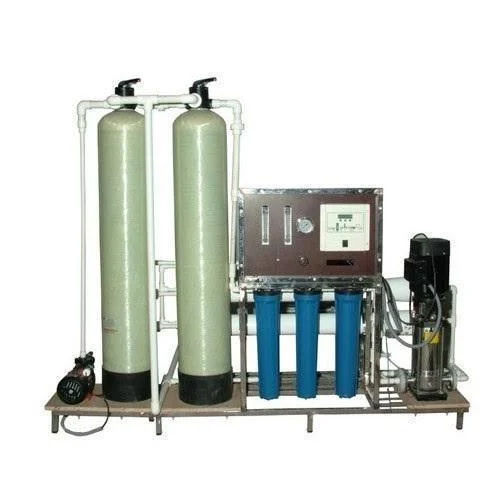
Advanced Water Purification TechnologyThis RO plant utilizes cutting-edge reverse osmosis technology with a spiral wound polyamide membrane, ensuring the removal of dissolved solids, bacteria, viruses, and other impurities. The multistage pretreatment process, including sand, activated carbon, and micron cartridge filtration, guarantees extended membrane lifespan and superior output water quality, ideal for industrial, commercial, and drinking applications.
Reliable Performance & Intelligent AutomationAutomatic control valves and a PLC-based system provide seamless operation with minimal manual intervention. The integrated chemical dosing cleaning system supports consistent plant performance and simplified maintenance. Designed for rigorous use, this system delivers high water recovery (up to 70%) while maintaining low energy consumption and optimized output.
FAQ's of Industrial Reverse Osmosis Plant:
Q: How does the industrial RO plant achieve high-quality water output with low TDS?
A: The plant employs a spiral wound polyamide membrane that effectively separates dissolved solids and contaminants from feed water. Multiple pretreatment stages-sand, activated carbon, and micron cartridge filters-protect the membrane, enabling output water with TDS less than 50 ppm.
Q: What are the primary benefits of using this industrial reverse osmosis plant for water purification?
A: Key advantages include high recovery rates (50-70%), automatic and PLC-based operation, energy efficiency, low maintenance needs, and the ability to produce pure, safe, and reliable water suitable for various industrial, commercial, and drinking purposes.
Q: When is membrane cleaning required, and how is it done in this system?
A: Membrane cleaning is generally needed when there's a noticeable drop in output flow or increase in feed pressure, indicating fouling. This plant features a built-in chemical dosing system for automatic and effective membrane cleaning, ensuring sustained performance.
Q: Where is this RO plant most suitable for installation and what are its mounting options?
A: Designed for flexible installation, this industrial RO plant is suitable for use in factories, commercial establishments, or water supply stations. It comes in either floor mounted or skid-mounted configurations, allowing for integration into a variety of industrial spaces.
Q: What kind of raw water sources can this RO plant effectively treat?
A: The system is optimized for ground water sources with TDS up to 5000 ppm, making it suitable for locations where water quality challenges are significant and reliable purification is needed.
Q: How is the storage and distribution of purified water managed?
A: The plant is compatible with HDPE or stainless steel storage tanks. Storage capacity is customizable according to user requirements, ensuring efficient water management and distribution for all operational scales.
Q: What makes the operation of this RO plant energy-efficient and user-friendly?
A: Features such as automatic control valves, PLC-based monitoring, and precision chemical dosing minimize manual labor and energy use. Engineered for user convenience, it operates efficiently within a power range of 3-5 kW, aligning with modern industrial energy standards.






 Send Inquiry


 Send Inquiry